
What is editorial wedding photography?
Blog: What is Editorial Wedding Photography?
In 2025, ‘editorial wedding photography’, the ‘editorial look’ and so on, are kinda buzzy words in the marketing of wedding photography. Couples have seen a certain style of photography (usually from a luxury wedding, and this is an important point we’ll circle back to), described as editorial, and want that look.
Traditionally editorial photography is typically photos taken to accompany text in something that’s being published - for example a portrait of an actor accompanying an interview for a magazine. The vast majority of people booking editorial wedding photography won’t be having their wedding published in a magazine. So the definition is a bit weird in my opinion, but we’re stuck with it. So what kind of photography are we actually talking about here - and is it something you need in your life?
There are a few photographic techniques that are associated with editorial photography (and they’re not particularly linked to true editorial photography). They are these:
Direct Flash wedding photography
Is this the editorial wedding photographer look?
Here’s how I feel about direct flash. Ummmm… meh. I think I’m turned off it because it’s technically extremely easy to do for the photographer but relies almost entirely on the couple and the wedding around them being beautiful and luxurious. It can look fantastic but it is uncompromising. The flash is on top of the camera, pointing straight at the subject and creates a hard, typically unflattering light. It can look good if you’re good-looking like Henry and Georgia above, you know how to pose, and the background and everything else is cool/interesting. But the hard light from direct flash is the direct opposite of the soft light most people are hoping for (eg golden hour etc), and we like soft light because it’s flattering on most people and typically associated with love, romance, etc. I think when people see this type of image that sometimes they love the image and want to look like that, but it’s important to remember that the direct flash look is as much about the subject (the person/people/couple), and the setting as it is a lighting technique.
Upsides of direct flash: it’s easy for the photographer. It really isn’t hard at all - this look became a thing in the first place because it looked a bit like those disposable film cameras with a flash (a reaction against the very technical fashion photography that was en vogue at the time) for a while. Another bonus: it can be used outside, with no additional equipment (light stands etc). It can have a fun, gritty, quality and a certain honesty to it.
Downsides of direct flash: other than not being very flattering for most people, you’re getting blasted by a flash every time the photographer takes a photo. Because weddings are unscripted, modern wedding photography typically involves taking a LOT of photos - thousands - and choosing the best. That’s a lot of flashing. The red-carpet/paparazzi experience is fun for a bit, and then very, very tiring, on both couple and guests.
Blurry wedding photos

The next editorial wedding photography trope is blurry photos. Usually this created by using a slow shutter speed and movement, but sometime it’s created by being out of focus. Since these are all things that are sometimes technical ‘mistakes’ again it’s pretty easy to do this. I quite like a few blurry photos, it makes me all nostalgic and can be super evocative. Also if there’s movement in the scene it can help tell a story, but I think it needs to make sense in SOME way, not just be chasing a trend.
The ‘Dutch Angle’
In other words, wonky wedding photos. Sometimes REALLY wonky. Horizons going diagonally across the screen, that sort of thing. I don’t really do this so I had to make one wonky in post (below). Sometimes the couples’ heads are cut off. For me, this is an edgy technique that’s become popular in the last few years… but I think it’s going to die out and some of those photos are going to look dated. And again, it’s easier to take a wonky photo than a straight one. There is already a backlash rumbling where people are becoming quite anti this. In cinematography, the Dutch angle is used to create an unsettled feeling which to me is at odds with what a wedding is all about. It’s a love story, not a horror.

Wonky wedding photos… it’s a pass from me on this one.
Black and white wedding photography
And finally, BW, and film grain. Now we’re talking. As a portrait photographer I LOVE black and white and the film look. This type of photography can be spectacular and beautiful and has that timeless feeling about it. But this way of editing can hide a multitude of sins - it can make bad photos look quite good. Also if the colours are bad/ugly, if the photographer is not a strong editor, it’s a great way of saving a photo.
So those are the three main features of the editorial wedding photography look. Hold on though! Time to get excited: You can COMBINE all of these! Wonky, blurry, direct flash, grainy black and white photos. It’s a vibe. It can definitely be done nicely and I’m not anti-these things (except maybe the dutch angle) but in some cases this style of photography exists in place of full set of photography skills. I have seen the full galleries... Taking photos of model couples in Italy on styled shoots is easy. Shooting a whole wedding day with all its difficult light and humanity is not. I have see the immaculate insta and website, and the absolute horror show of the full gallery.
Does it matter? I don’t know. It’s a trend. If you like trends it’s cool. Will you look back in ten years (or 40) years at that wonky blurry picture of you with your feet cut off and think ‘yep, glad we hired someone who was right on trend’?

Photo by Nick Knight
Culturally, this is all a hangover from what happened in in fashion photography in the 90s. Fashion photography was a kind of virtuosic, technical genre with people like Nick Knight with these incredible skills, and then as a kind of statement or reaction to that, Jurgen Teller started using compact cameras and getting this gritty look.

David and Victoria Beckham. Photo by Jurgen Teller
So yes, I would encourage a degree of caution when considering photographers whose portfolio is mostly like this because for a lot of the day this style doesn’t really work. From a technical perspective, wedding photography is expensive because it’s really hard - difficult light, non-professional subjects, a lack of control over positioning, light a lack of control over ANYTHING MUCH… Dark churches. Gloomy halls. Bad weather. Crucial family photos in difficult conditions against the clock. Good technique and high skill levels are required to document the day in a way that looks good.
If we refer back to our definition of editorial photography we can see that not much of this is actually anything to do with editorial. Motion-blurred photos aside there’s nothing particularly story-telling-y about any of these approaches that doesn’t apply equally to more typical wedding photography, and this is where labelling these approaches as ‘editorial’ is questionable.
There’s one thing left to cover.
If editorial wedding photography is not these techniques, what IS it really?
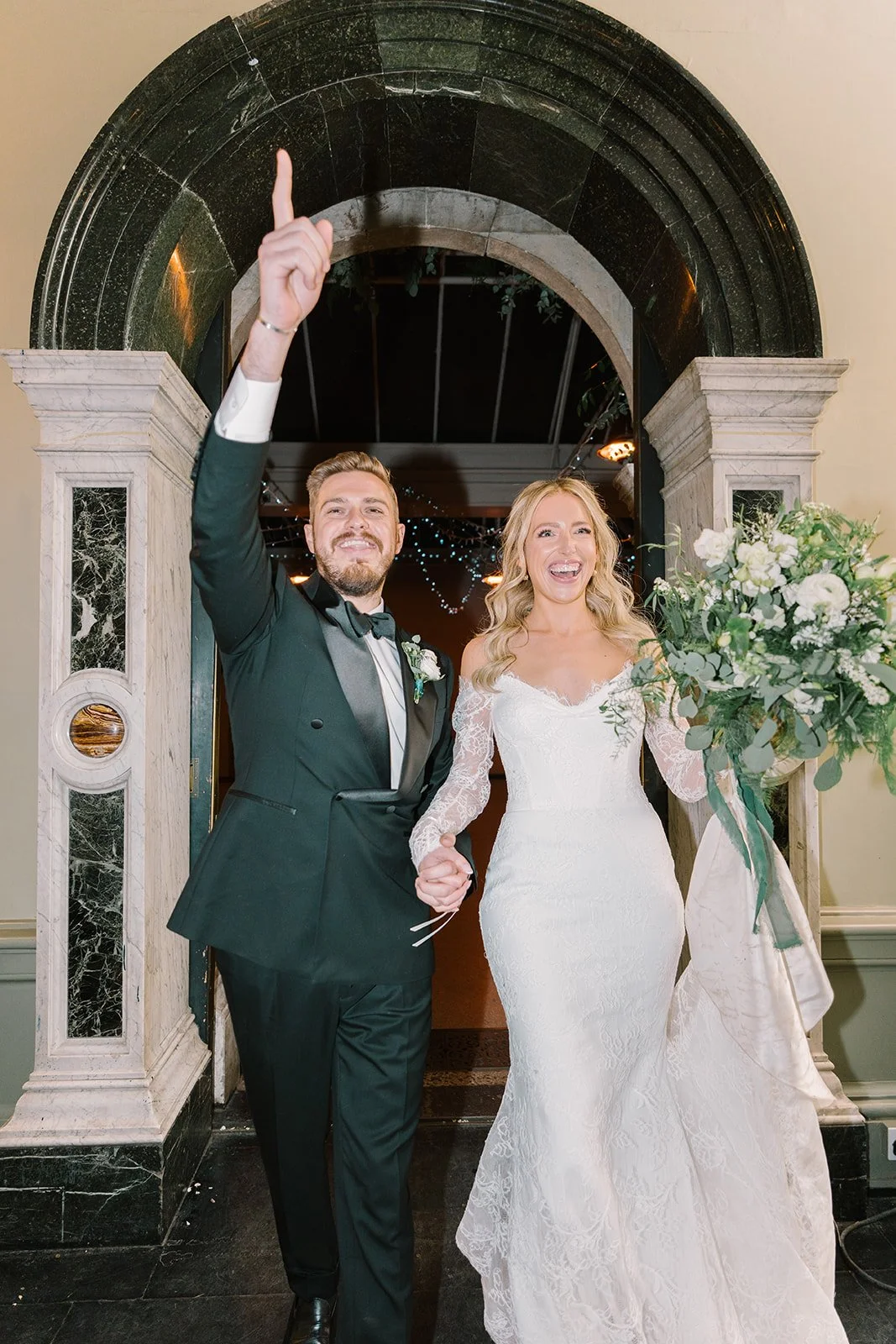
It’s storytelling. It’s environmental portraits. A record of the relationship between photographer and subject. This last one might be the nature of the photographer on the day influencing the subject - eg getting great Uncle Jack to give that cheeky thumbs up from his seat just before the ceremony. People skills are everything. Editorial wedding photography for me is this: imagery directed by the photographer with some sort of concept in mind.

This is now more of a collaboration between photographer and subject (ie the brides, grooms, and guests), and THIS is why the PERSON you book needs to be a good fit for you on your wedding day. The people at the wedding, including you the couple, will be to some degree affected by the photographer so before you book a wedding photographer, TALK to them, let them talk to you, and see how you feel with them. It’s like a taxi driver - you could get a lovely one who shows you the landmarks and makes the journey interesting and fun, or you could get someone who leaves you in peace, or you could get one who seems like he doesn’t want to be there. Now imagine there were photos of you in the back of the taxi during your journeys with these three different drivers. How different would they be? Those photos are the story of the interaction between the taxi driver and you. Of course your wedding photos are about you but they will also to some extent contain some info about how you got along with your wedding photographer. Whether you’re after ‘the editorial look’ or wanting to really create some meaningful photos, editorial wedding photography is about more than just blurry, wonky, flash photos.

NB. Reading this back it sounds like I’m a bit critical of editorial wedding photography. I’m not - my style is pretty editorial and my favourite portrait photographer Harry Borden shoots specifically for editorial. It’s just good to talk about what it is and what it isn’t!
NBii. You might be thinking that editorial is completely incompatible with documentary wedding photography. I have thoughts.